

Game info
Horror, Stealth, Escape
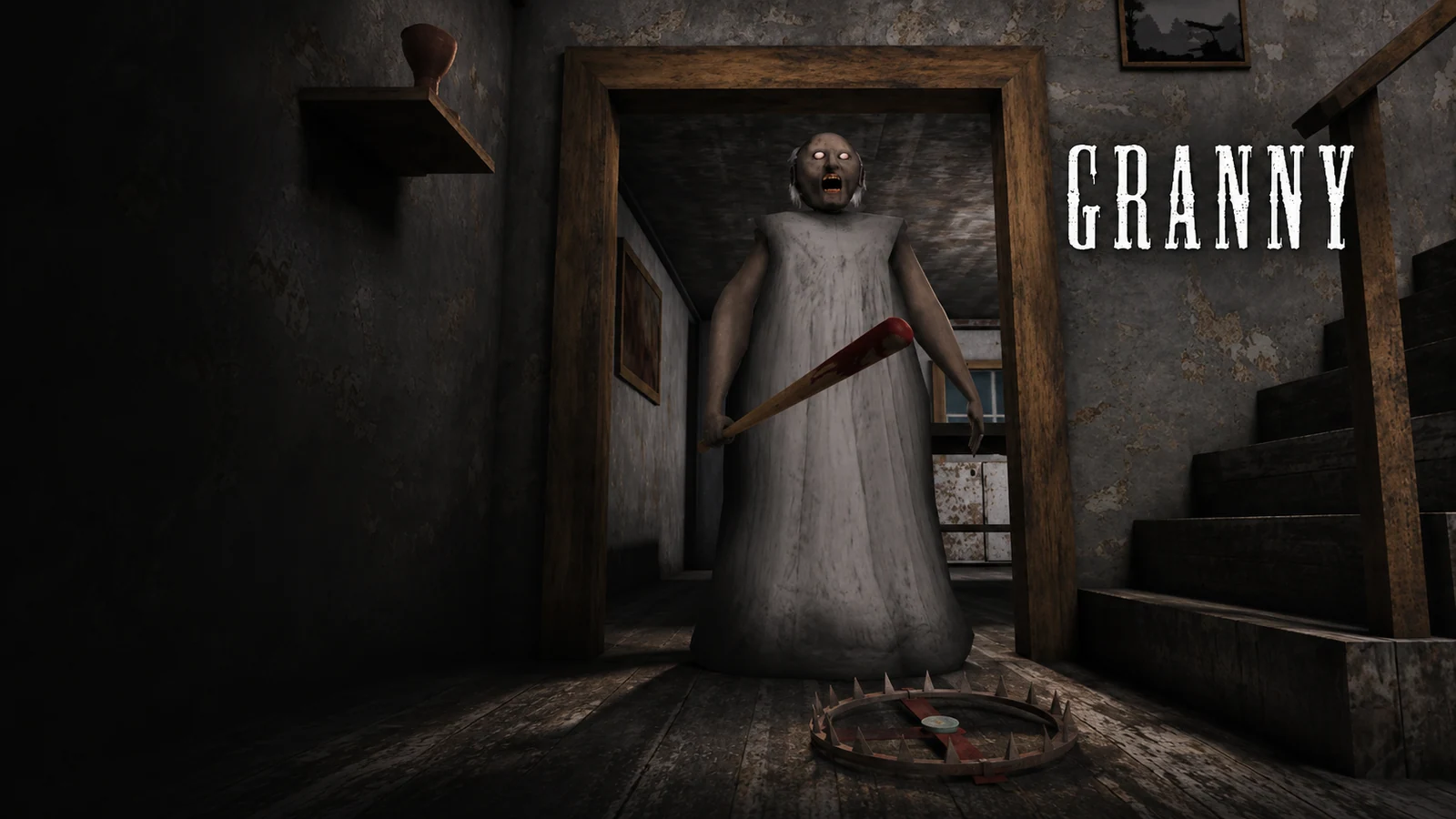
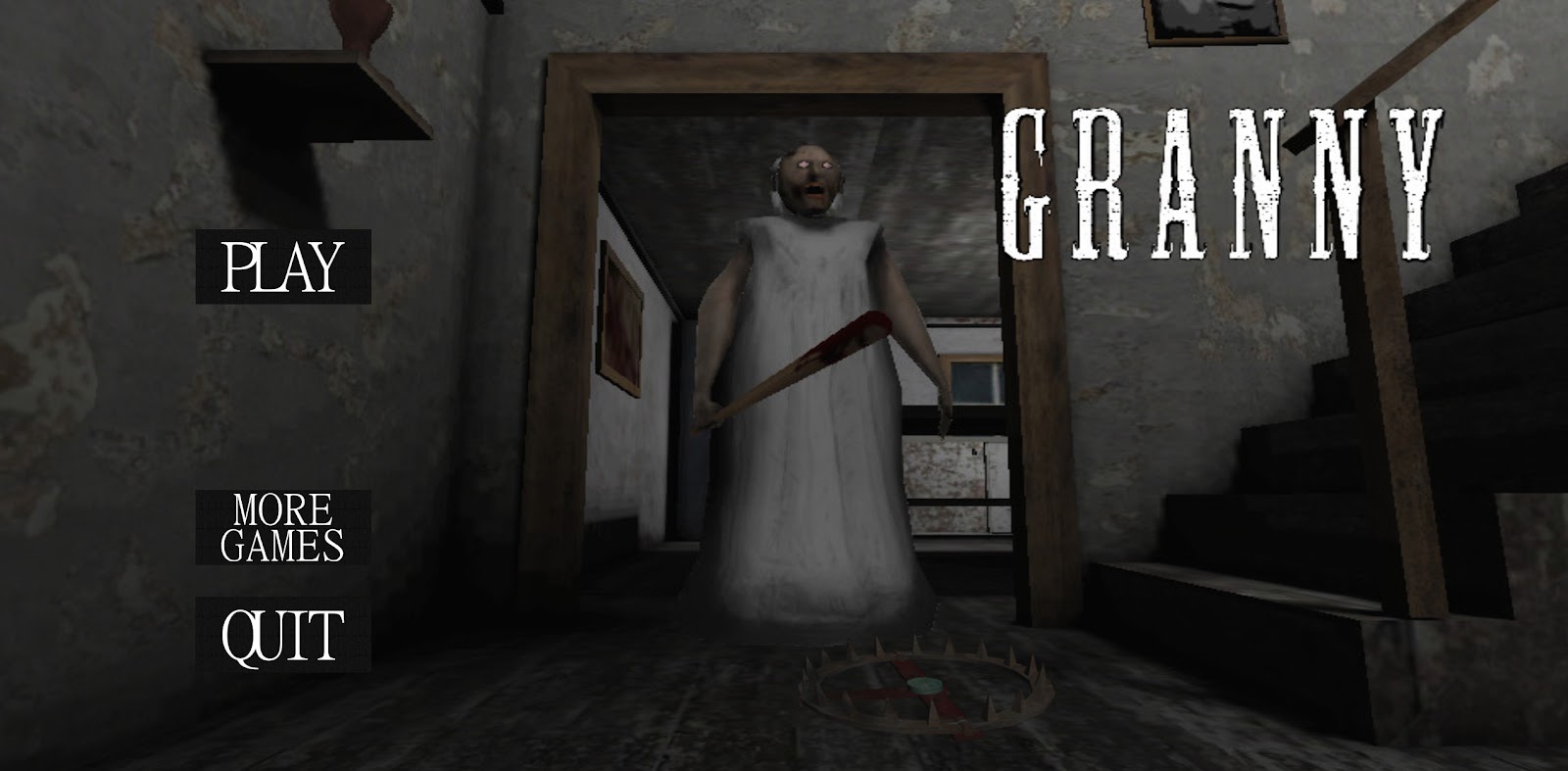
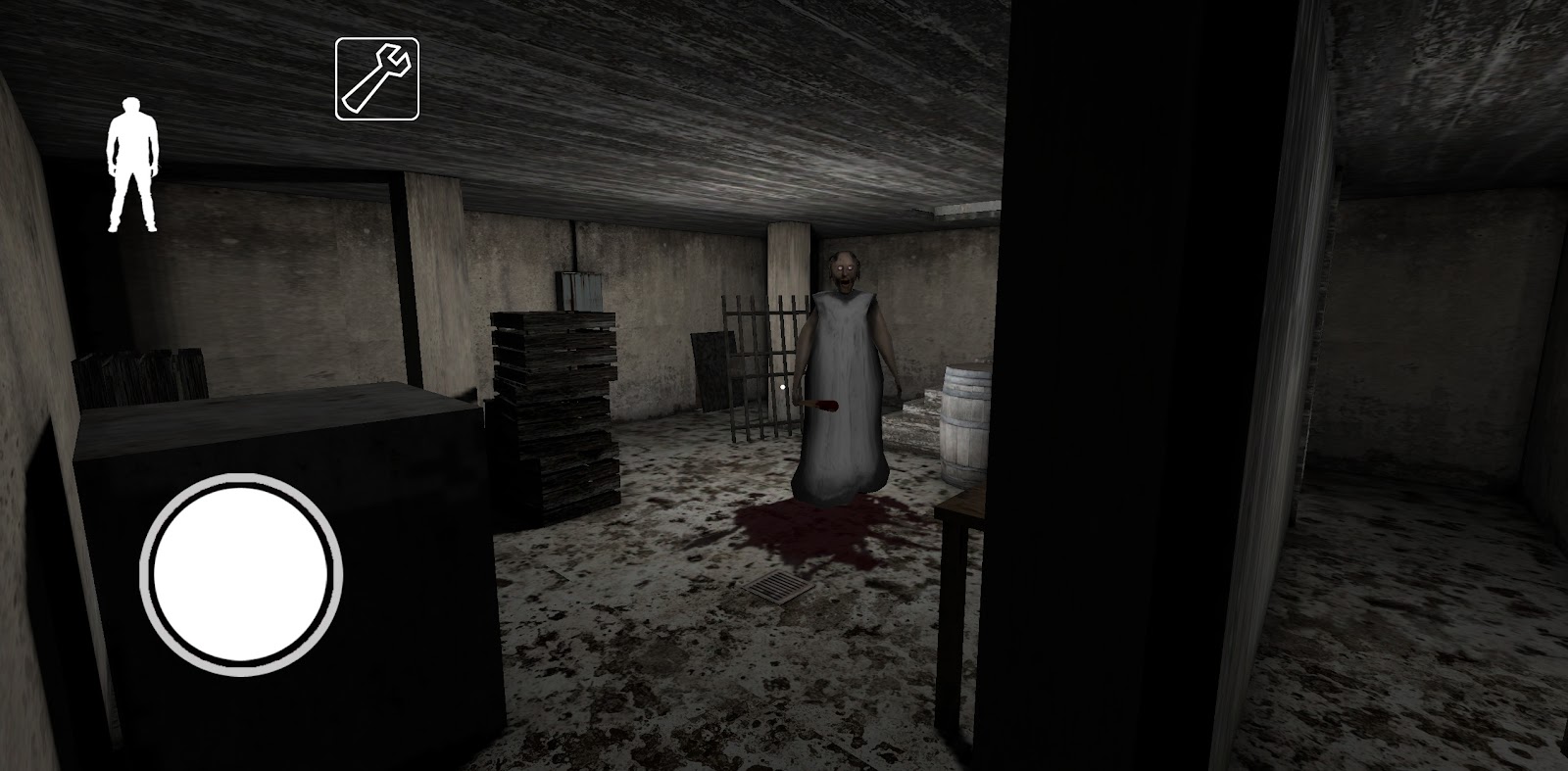
Granny is a first-person escape-horror game about searching a dangerous house while avoiding its owner. Listening, remembering rooms and working out how discovered objects fit escape mechanisms matter more than running without a plan.
About Granny
Granny is a first-person escape-horror game about searching a dangerous house while avoiding its owner. Listening, remembering rooms and working out how discovered objects fit escape mechanisms matter more than running without a plan.

Gameplay overview
Explore the house, identify locked routes, find useful objects and carry them to the correct place. Noise can attract Granny, so an action that saves time may also expose your position. A failed escape attempt should teach you a route, hiding place or item use for the next attempt.
How to Play
Start by understanding a small route between a safe hiding place and a useful room. If a sound draws the enemy away, use that time to complete one objective rather than exploring aimlessly. Remember where you leave objects. Panic-running through unfamiliar rooms makes it harder to recover when a route is blocked.
Controls
virtual movement, camera and contextual interaction controls. Browser builds commonly use WASD, mouse look and a prompted interaction key; verify the exact runtime.
Pro Tips
- Use headphones at a comfortable volume to hear movement clues.
- Plan where to hide before making a noisy action.
- Carry an item towards its known use rather than dropping it randomly.
- Check the difficulty and practice options in the selected edition.
Making Better Decisions
Use the first part of an attempt to establish a repeatable route. Notice which doors connect, which corners block the view and where an object could be placed temporarily without being forgotten. When an action makes noise, think about the enemy’s likely route towards it and where that leaves room to move. An unfamiliar item is information even if its purpose is not yet clear: remember its location and compare it with the mechanisms you have seen. Repeating a failed attempt is most useful when you change one decision, such as the route taken after picking up a tool. A difficult chase should not turn the whole map into random movement. Keep a specific next objective in mind, then return to a position you understand.
Features, Modes and Progression
Difficulty changes the escape challenge. Items, locks and enemy behaviour must be described for the edition actually discussed; Granny, Chapter Two and Granny 3 are separate games.
Treat a failed escape as information
An unsuccessful attempt can still reveal a route, an item location or a place where a noisy action creates trouble. Choose one observation to remember. If you change every part of the route on the next attempt, it becomes harder to make use of what you learned. Look at the connection between rooms as well as the room you are standing in: an object is useful only when you can carry or use it without losing your route out. Keep the objective separate from the immediate urge to run away.
Avoid turning every discovery into a rush
Finding an important item does not make the surrounding area safe. Pause long enough to identify its likely purpose and the next place you need to reach. A familiar route may be more useful than an unexplored shortcut when you are carrying something valuable. Consult the current difficulty and sound settings before assuming a previous attempt’s conditions still apply.
Five days, a locked house and a listener nearby
The original Granny premise gives the prisoner five days to escape the house. That limit turns each attempt into an opportunity to learn as well as survive. A day spent discovering an item's purpose or connecting two rooms can improve the next attempt, provided you remember the useful observation. The house becomes less confusing through those connections rather than through rushing into every unexplored space.
Granny's sensitivity to noise is central to the published game description. Dropping something can attract attention, so an item interaction should be considered together with the route afterwards. Noise is not simply an atmospheric effect. It changes the decision about where to stand, what to carry and when to attempt a step near a known escape route.
Wardrobes, beds and the use of a familiar hiding place
Wardrobes and spaces under beds are among the hiding options described for the original game. Identify them before a pursuit makes the search urgent. A useful hiding place is connected to a room you understand and a route you can resume. Reaching cover without knowing where to go afterwards can leave the original objective just as unclear as before.
The small number of core ideas—escape, listen, inspect objects and avoid being found—creates the game's tension. Treat an unsuccessful day as a chance to improve one of them. You may recognise a noisy interaction earlier, find a better route back or understand a tool's destination. Those are concrete gains even before the entire escape is solved. Check the current difficulty and controls at the beginning so the challenge comes from the house and its threat, rather than from an input you had not tested.
Learning the house before attempting a perfect escape
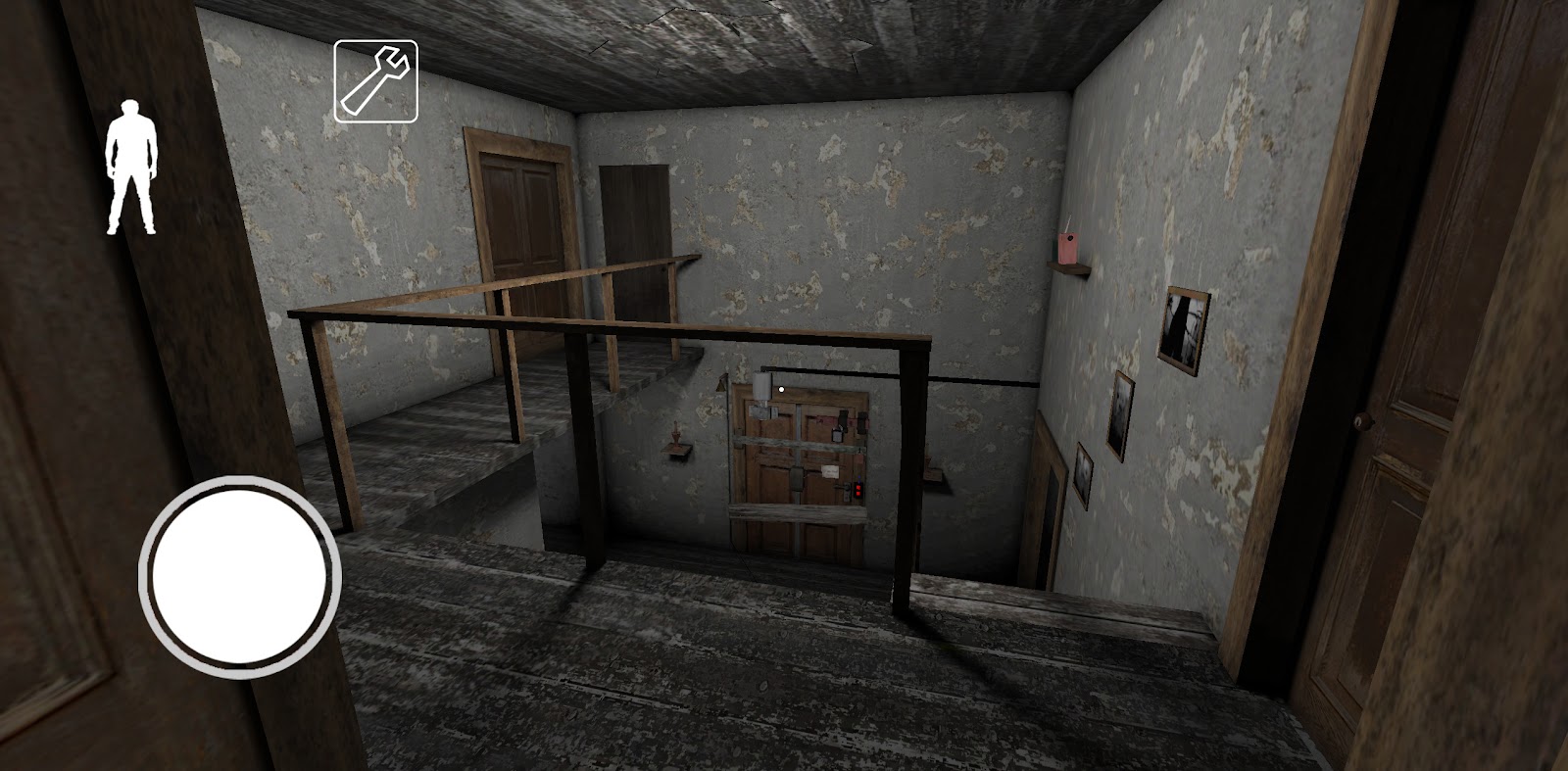
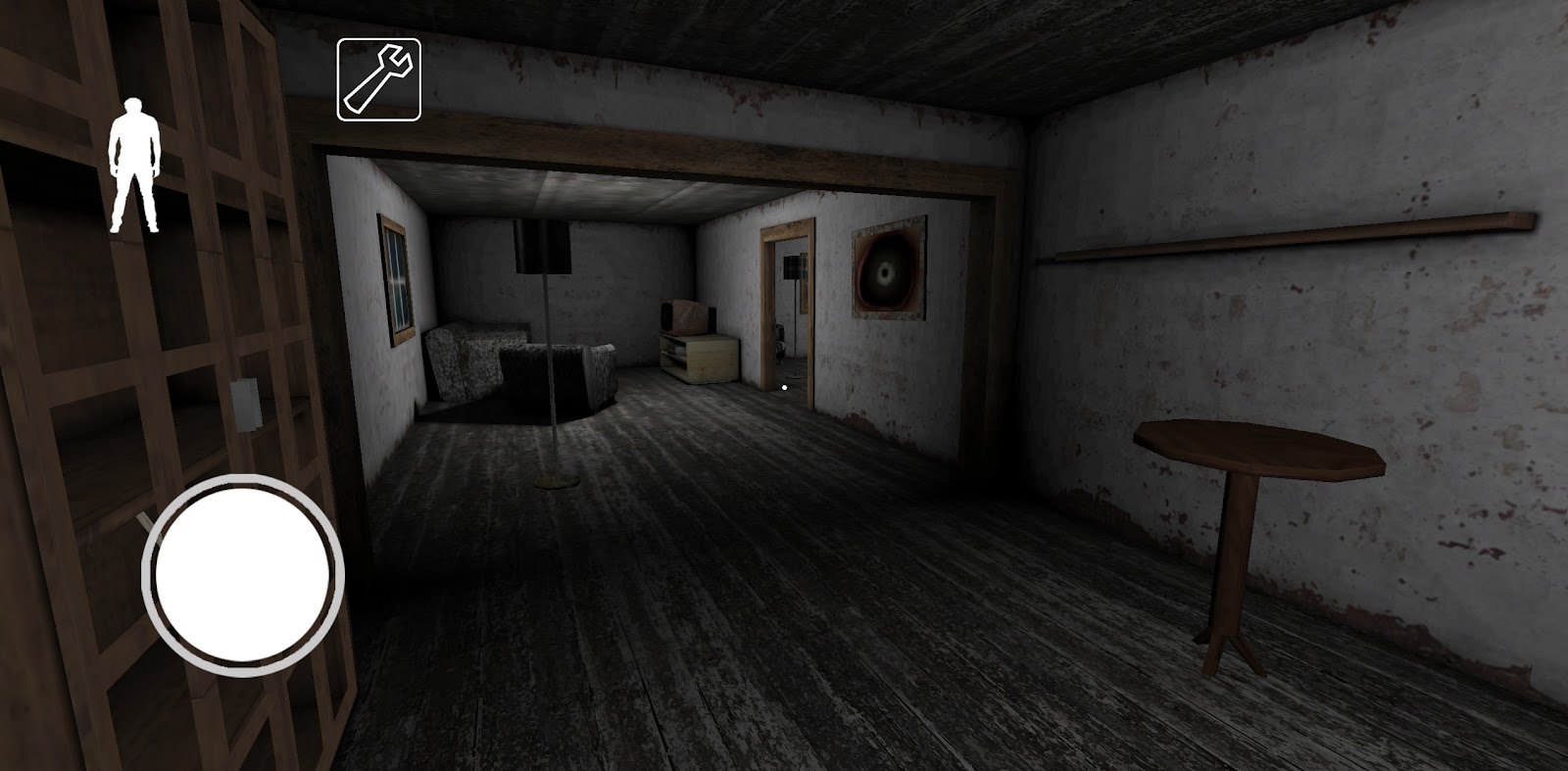
Granny is an escape game built around an unfamiliar house, useful objects and the danger of being discovered. A first attempt is most valuable when it makes that house less confusing. Notice how the opening room connects to a corridor, where stairs lead and which doors create a route back. Remembering a few connected spaces is more practical than trying to memorise the entire building at once.
Give the first journey a small objective: inspect one adjoining area, identify a possible hiding place or understand one locked obstacle. Returning with information is progress even if the attempt does not end in escape. On the following attempt, use that information deliberately. Changing direction at every sound can turn the same few rooms into a maze because you never build a stable picture of how they connect.
Sound, distance and the decision to move
Sound matters because an action can reveal something about your position. Before dropping an object or testing a noisy interaction, consider where you will go afterwards. The danger is not only the sound itself; it is making the sound without an escape route. A short detour to identify another exit may be worth more than immediately touching an object that appears important.
Use audio at a comfortable level when it helps you follow the environment, but do not rely on volume alone. Watch doors, corridors and visible movement as well. If a device cannot provide clear sound, give visual checks more time and keep routes simple. The selected difficulty and current release shape the threat, so read the menu before assuming an enemy will behave exactly as in a video recorded under different settings.
Working out what an item is for
Finding a key or tool creates a new question rather than solving the whole house. Look for the matching obstacle and consider the route needed to carry or use the item there. If you have not identified a destination, remember where the object was found instead of wandering with it without a plan. A useful mental note connects three things: item, obstacle and the path between them.
When an interaction fails, separate the possible causes. You may need a different item, a more precise position, or another step before the obstacle can be used. Try one explanation at a time. Repeatedly pressing an interaction key while standing in danger gives little new information. A safer position and a clear view can reveal whether the object is selectable or whether you are testing the wrong part of the scene.
Hiding as a route decision
A hiding place is most useful when you know how to reach it before a chase begins. Inspect the approach and the route out. A spot that feels safe can still leave you unsure where to go next, especially if you entered it while turning the camera rapidly. Keep a recognisable landmark in mind so you can resume the original objective once movement becomes possible again.
Avoid treating every tense moment as a reason to sprint into a new room. Moving without knowing the exit can create a dead end. Sometimes the more useful response is to pause in a known area, observe the next opportunity and take the route you already understand. Granny's tension comes partly from deciding when information is sufficient to commit to the next trip.
What to learn from a failed attempt
After a capture or restart, choose one observation to keep. Perhaps a door made a route noisy, an item belonged to an obstacle elsewhere, or a hurried turn put you on the wrong staircase. State the observation precisely enough to change the next attempt. “I need to be faster” is less useful than “I need to identify the exit before testing that interaction.”
Repeat a familiar opening until the controls stop consuming your attention. You can then spend more attention on the house itself. For mouse play, check camera sensitivity in a safe area. For touch play, keep movement and interaction controls easy to reach without covering the part of the screen you need to inspect. An awkward input should be fixed before a route depends on it.
Granny releases and reliable game information
Granny is associated with DVloper; the official store links below identify the published mobile game. Use the release's own settings and instructions for current controls and difficulty options. Escape routes and object arrangements should not be treated as one universal checklist across the series. Granny, Granny: Chapter Two and Granny 3 have related identities but are separate games.
The appeal of Granny is turning uncertainty into a route you understand. Begin with the house layout, connect objects to obstacles and make noisy actions only when you have considered the next move. Each short attempt can add a useful piece of knowledge. Once a familiar journey becomes dependable, use it as a base for exploring the next part of the escape.
Worked example: finding an item without knowing its destination
Suppose you discover an object that appears useful but have not identified the obstacle it affects. Carrying it through every unexplored room may create more risk without adding information. Remember where it was found, inspect nearby routes and look for a plausible destination. A useful plan connects the item, the obstacle and a path between them. Each part can be learned separately before attempting the full journey.
When you have a destination, test the route in stages. Identify a doorway, a turning point and a safe place to regain direction. If something interrupts the trip, those landmarks help distinguish a navigation problem from an interaction problem. A failed journey then provides information you can apply rather than simply proving that the whole house still feels confusing.
Worked example: an interaction that creates noise
Before testing a noisy object or mechanism, decide where you will move afterwards. An action can be worth trying when its result teaches something important and the return path is understood. The same action is much less useful when it leaves you standing in an unfamiliar dead end. The decision is about the information gained and the position left after testing it.
If a threat arrives, separate the immediate recovery from the original objective. Reach a known position first, then decide whether the trip can continue. Looking for a new item while also trying to escape can make both tasks harder to follow. A familiar hiding point is most valuable when you also know the route out and the landmark that will restore your direction.
Comfort and settings matter in a tense game
Use a comfortable camera speed and viewing distance. Test movement and interaction in the opening area rather than discovering an unfamiliar key during a chase. Sound can help, but it should remain at a comfortable level and be combined with visual checks. Read difficulty settings before using a timing pattern from another attempt or video. A horror escape game can be challenging without making the controls themselves an extra mystery; a clear input and a route you recognise leave more attention for the environment.
Related games
Frequently asked questions
Why is noise important in Granny?
Sound can reveal your position, so object handling and movement should be planned around the enemy’s response.
Is Granny 3 the same house?
No. Granny 3 is a separate sequel with its own setting and escape tasks.
Who develops or publishes Granny?
DVloper
Is the browser player the exact original game?
Portal pages labelled Granny Original still require identity checking. Related haunted-house escapes are alternatives, not official releases by DVloper.
Is it free?
The observed Google Play listing is free to download and offers in-app purchases. A browser alternative has its own provider terms and may include adverts.
Can I use my official account or saved progress in a browser alternative?
No account, purchase or save transfer is established unless the developer explicitly documents it for that build.
What games should I try next?
Compare Granny, horror escape, stealth house escape, Granny Chapter Two. The related list prioritises shared mechanics and preserves each game’s real identity.
Good game? Tell us.0
Share a tip, celebrate a high score, or tell us what you think. Keep it friendly.